METIS
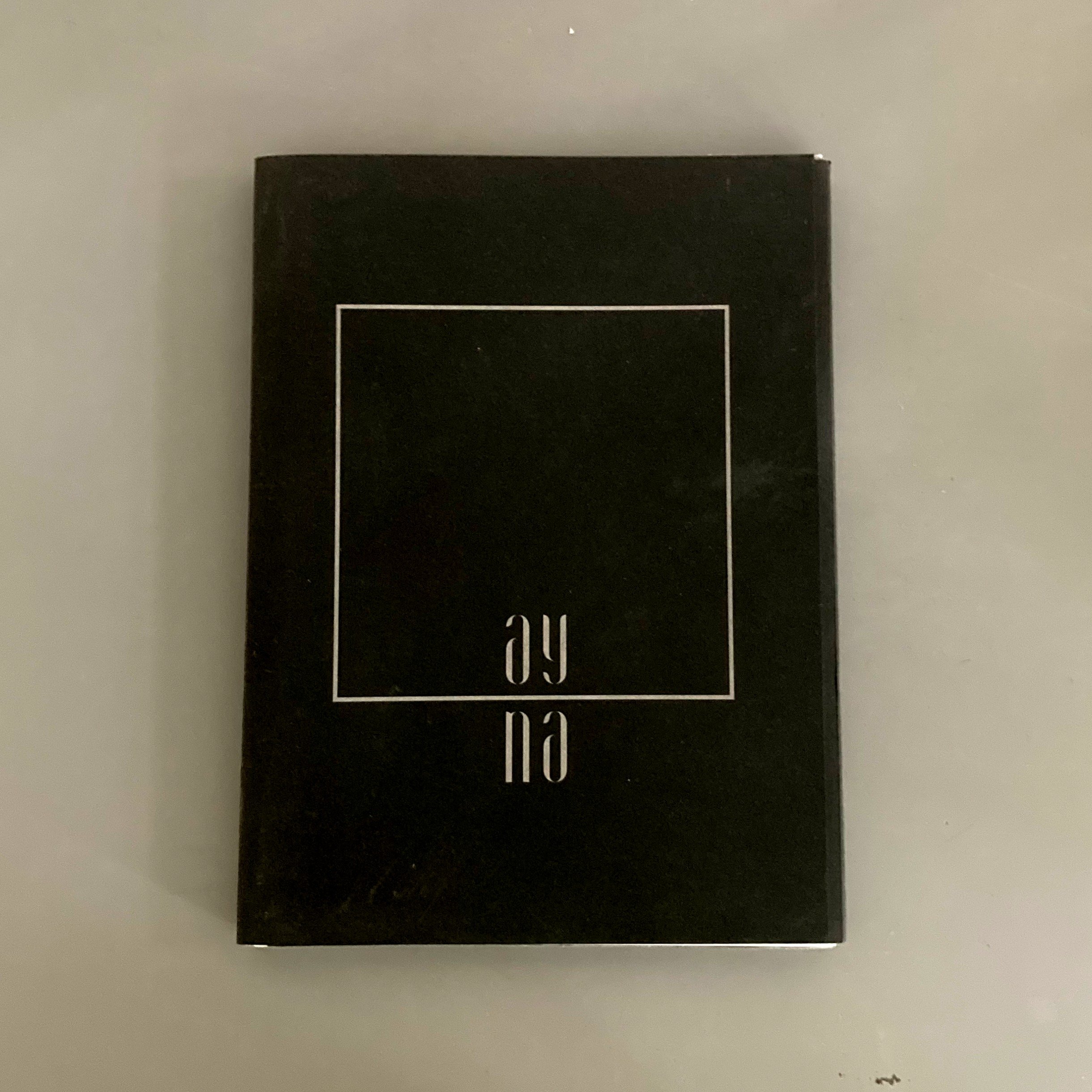
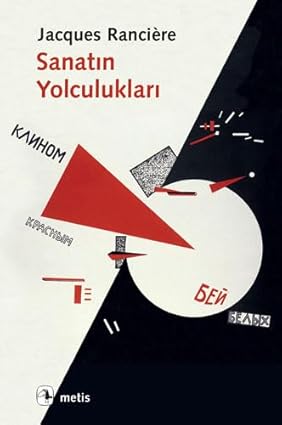
Sanatın Yolculukları by Jacques Ranciere
When art was established as an autonomous field of experience and settled in museums or concert halls, it began to feel the necessity of stepping outside itself, that is, becoming something other than art.
Music claimed to be more than art performed by musicians; it claimed to be the language of the soul. Architecture wanted to create a new world instead of building buildings, soaring to the heavens. Modern and revolutionary artists decided to stop painting and produce forms of "new life." Contemporary art performances and installations stand in the ambiguous space between art and politics. Jacques Rancière, tracing some of these journeys, shows how philosophers like Kant and Hegel can help us understand the twists and turns along the way. He particularly draws attention to the point where the thought of young Marx intersects with the path of art. He describes how Soviet artists, accused of being "formalists," wanted to create art that was the revolution itself, rather than simply depicting the revolution.