METIS
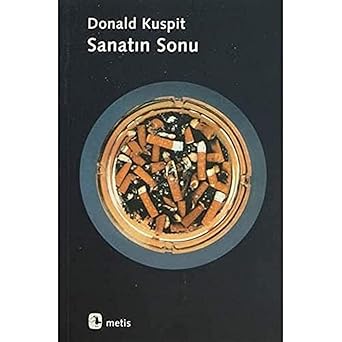
Sanatın Sonu by Donald Kuspit
The postmodern understanding of art has been causing heated debate and confusion for some time now about what constitutes art and what does not. Today, art and artwork are associated with words like market, fashion, millions of dollars, marketing, and brand. In the hazy atmosphere that accompanies this, there is something palpable but cannot be named. The book by renowned art critic Donald Kuspit is precisely about this inexpressible thing. The truth behind the discomfort felt by the viewer in an exhibition hall filled with extremely vulgar, uninspiring, shallow postmodern works: These are not works of art, and therefore cannot evoke the feelings that true art evokes. Using Alan Kaprow's term "post-art" to describe such works, and arguing that postmodern art actually signifies the end of art because aesthetics have lost their prestige, Kuspit explains how the type of artist who believes in spiritual values has been replaced by the type of post-artist who is inextricably linked to the demands of the market. Carefully evaluating the works and theoretical ideas of Marcel Duchamp and Barnett Newman, he points out that this loss of value in art cannot be separated from the entropic character of modern art, characterizing the resulting situation as anti-aesthetic postmodern art. Containing sharp observations on the path art has taken throughout the twentieth century, the book shows the current impasses of the visual arts as well as pointing to the possibilities inherent in this predicament.