DANTE & ISTAKOZ
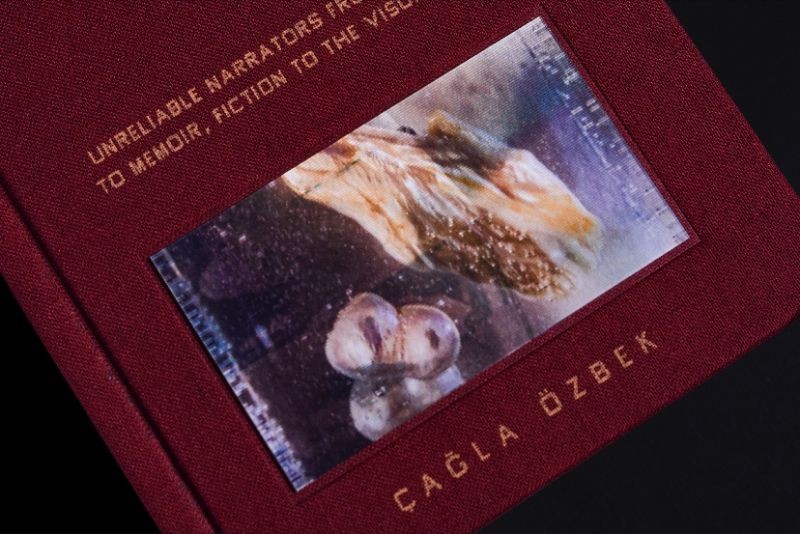
Ses, Zift, Vitrin; Voice, Vitrine, Tar by Çağla Özbek
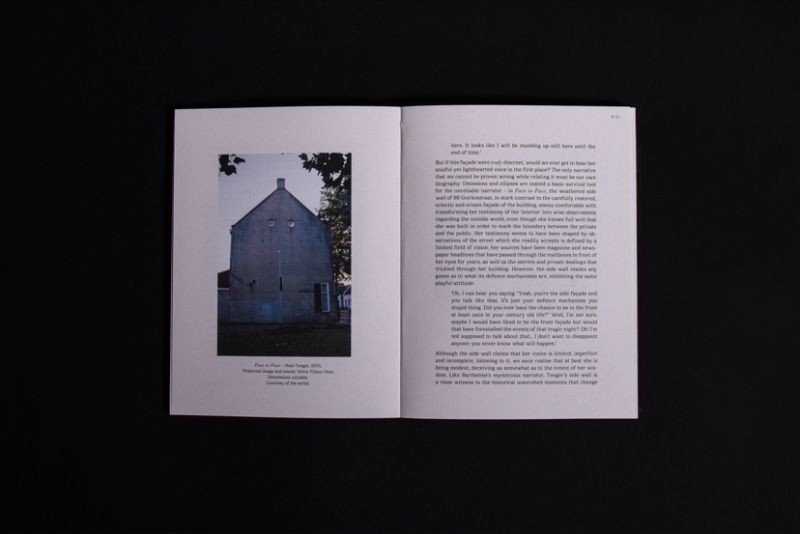
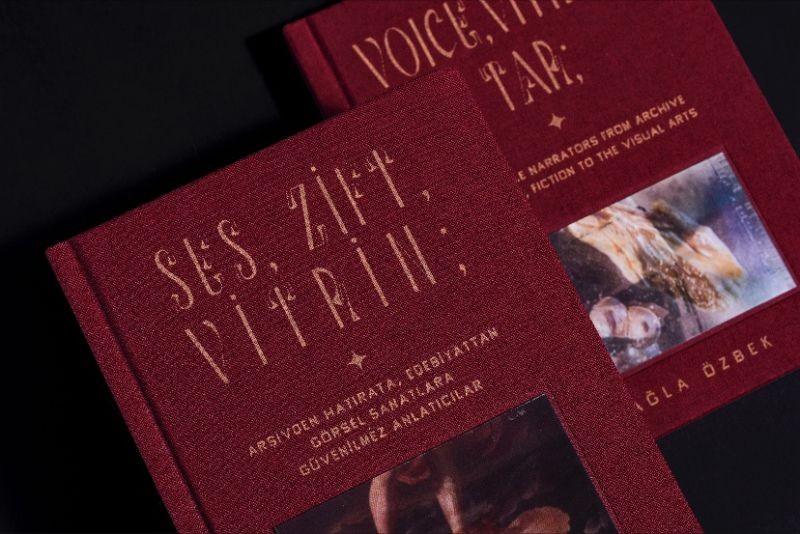
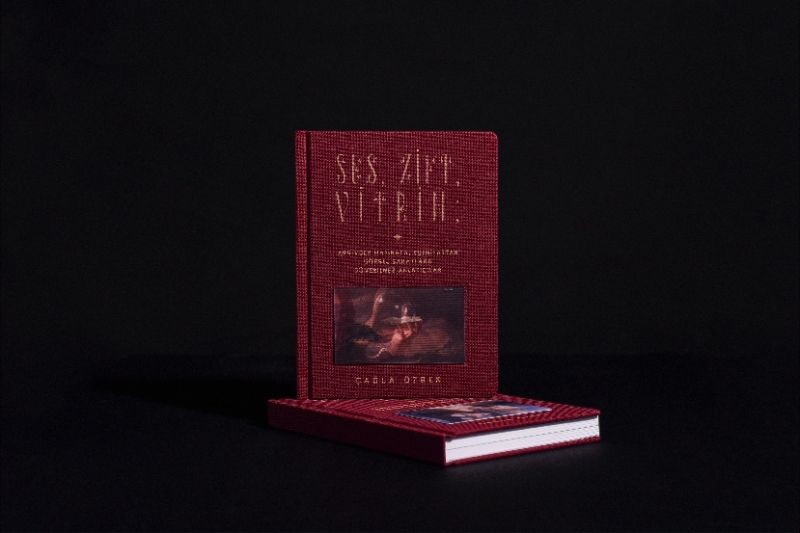
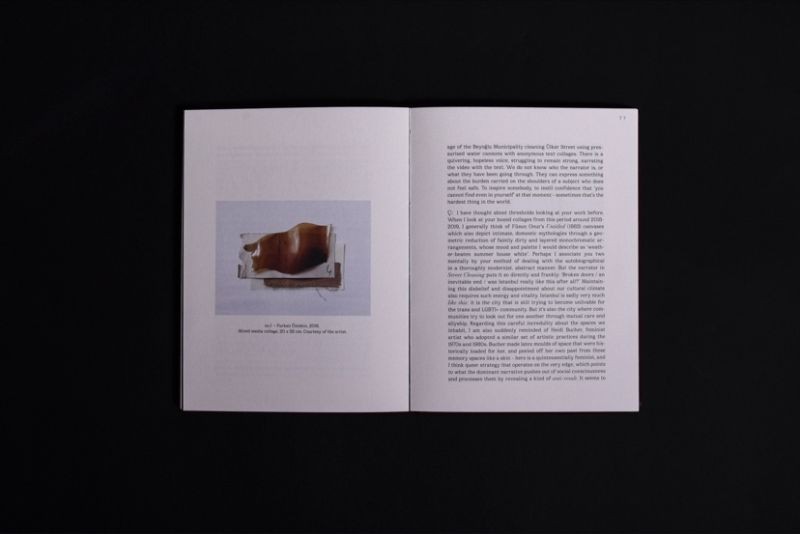
In Voice, Vitrine, Tar: Unreliable Narrators from Archive to Memoir, Fiction to the Visual Arts, writer and researcher Çağla Özbek pursues ‘unreliable narration’ as an effective construct in revisiting feminist archives and imaginations, providing an invaluable method in doubling down on the critical breaks between recorded history and lived reality not only within the bounds of fiction writing, but also in visual arts and archival tendencies. Locating unreliable narration as a critical strategy extending outside the realm of literature which contests both linear history-making, the works of leading contemporary artist Hale Tenger are examined, pursuing possible unreliable narrators in them while making the argument that these visual narratives (which are often accompanied by reflective surfaces such as glass, showcases, mirrors and puddles) deftly shed light on the tension between historiography and artistic imagination by pointing to the deep rifts between written history and the lived experience of historical events. The last section of the book comprises artist interviews with artists Furkan Öztekin and Esra Özdoğan, who both use linguistic and narratological elements in completely different ways in their practices, along with a conversation with writer and editor Emrah Serdan, musing on the procedures of unreliable narration and the ways in which voice and truth relate to one another in literature and visual arts. In her new book, "Voice, Tar, Showcase: From Archive to Memory, From Literature to Visual Arts: Unreliable Narrators," writer and researcher Çağla Özbek examines "unreliable narration" as a literary narratological method, a concept worth exploring in the visual arts. The book suggests that unreliable narration at the intersection of subjectivity and historicity can be a useful approach not only within the realm of fiction writing but also for the visual arts, enabling a reassessment of feminist and queer imaginaries and a closer look at the critical disconnects between recorded history and lived reality.